



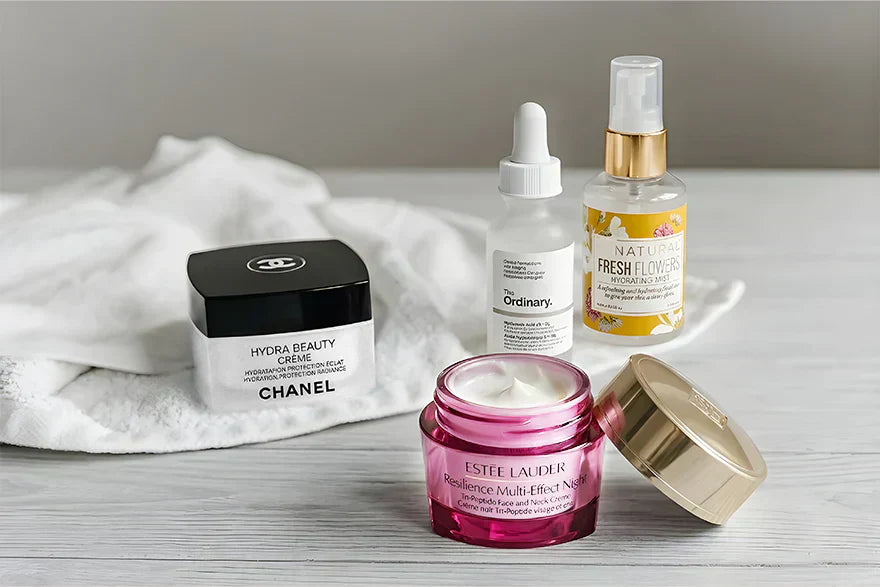
Everyone is fond of makeup, and we as women use it every day. However over overuse of makeup can leave our skin dry and dull without proper skincare. But the question is, is homemade skincare safer and better than professional services?
With many vague answers throughout the internet, we have compiled a blog that includes the pros and cons of both Homemade vs Professional Skincare, the limits and risks they carry, a safety checklist, and case studies. Use this guide to decide what fits your skin, budget, and goals.
A Quick Answer
Want a quick yes or no? Well, the answer isn't that simple, you can't take risks with your skin.
- DIY or homemade skincare helps with simple upkeep and low-cost care.
- Professional care treats complex or persistent skin issues.
The best plan often mixes both approaches.
Factors to Consider in Pakistan
Here are some factors one should keep in mind before considering either of the approaches,
- Pakistan’s climate varies from hot and humid to dry.
- Skin reacts differently in each region and season.
- The right routine depends on your local weather and skin type.
- Also, check products for authenticity before you buy them locally.
The FDA and EU guidance stress product safety and testing.
Pros and Cons of Homemade Skincare
“Homemade skincare” means using natural or kitchen ingredients to care for your skin. People often use items like honey, oatmeal, aloe vera, yogurt, or fruit-based masks. These are easy to make, cheap, and feel natural. Like everything else, homemade skin care has its own limitations and applications. We have listed a few below,
Pros
Natural skin care is very affordable, and it is best for
- Hydration and simple soothing.
- Light exfoliation with gentle ingredients.
- Quick fixes like a one-time glow mask.
- DIY is cheap and fast. You control the ingredients.
- Some home remedies feel soothing and chemical-free.
Cons
Natural doesn't always mean safe. Sometimes they can become a major reason to sensitive skin and disturb your skin barrier.
- Home mixes lack consistent doses. That can harm the skin.
- Essential oils and acids can cause burns or allergies.
- DIY can delay effective care for serious problems.
Dermatologists caution against home microneedling, strong peels, and aggressive physical scrubs. These can scar or cause infections.
Pros and Cons of Professional Skincare
Professional skincare includes dermatologist-approved products, clinically tested creams, and salon/clinic treatments (chemical peels, laser therapy, prescription treatments, etc.). These products and procedures are developed under regulated conditions, with tested formulas and clear instructions. The American Academy of Dermatology and other bodies recommend seeing a professional for persistent or severe issues.
Pros
- Diagnosis by a trained dermatologist or aesthetician.
- Medical-grade products and clinical procedures.
- Monitored treatments for acne, pigmentation, and scarring.
- Professionals tailor treatments to your skin.
- They use tested devices and regulated products.
- Focus on patient safety and a results-driven approach.
- Help build a skin care routine.
Cons
- Most treatments cost more than home remedies.
- Some procedures need recovery time.
- Expected results may require multiple sessions.
Common Skin Problems and Which Routine to Pick: A Side-by-Side Comparison
Dryness / Mild Flakiness
- DIY: Moisturizing masks, gentle oils. Safe for short use.
- Professional: If the condition persists, rule out eczema or dermatitis. See a dermatologist.
Acne (mild)
- DIY: Gentle cleansing, non-comedogenic products.
- Professional: Topical retinoids, chemical peels, or prescription meds for stubborn acne. Seek a pro if lesions worsen.
Hyperpigmentation
- DIY: Vitamin C-containing ingredients like lemon maks and pomegranate peel maks with sunscreen help prevent.
- Professional: Chemical peels or lasers may work better for deep pigment. Always consult a clinician first.
Aging / Fine lines
- DIY: Milk cleaners and moisturizing oils can help slowly.
- Professional: Microneedling, lasers, and injectables deliver faster, stronger results. Professionals control depth and dose.
Safety checklist before you try any DIY remedy
- Patch test on the inner arm for 24 hours first.
- Avoid acids or essential oils without guidance.
- Never DIY microneedling or deep peels.
- Stop use if you see redness, blistering, or worsening.
These simple rules reduce bad outcomes from popular home recipes.
Case study 1: Everyday skin maintenance (Karachi)
Sara used homemade honey and yogurt masks twice weekly for hydration. She also applied sunscreen daily from a trusted brand.
Result: Her dry patches improved, and her skin stayed calm.
Lesson: Simple, regular care and sun protection work for mild issues.
Case study 2: Persistent acne and scarring (Lahore)
Ali tried over-the-counter cleansers and home scrubs for months. Acne worsened. He visited a dermatologist. The doctor prescribed topical retinoids and did three medical peels.
Result: Breakouts reduced and scarring faded over six months.
Lesson: Professional treatment fixed an issue DIY made worse.
How to combine DIY and professional care a safe plan
- Start with the basics: cleanse, moisturize, sunscreen. These form the base of any routine.
- Use gentle home masks for short care between appointments.
- See a dermatologist for any persistent, painful, or changing condition.
- Follow professional aftercare when you get in-clinic procedures.
- Buy tested products from trusted sellers to avoid fakes. Regulatory guidance highlights this need for safety.
How to choose the best skincare products in Pakistan
- Check ingredient lists. Avoid unknown additives.
- Prefer products with clear batch codes and labels.
- Pick formulas for your skin type: oily, dry, or sensitive.
- Read local dermatologist reviews and verified user feedback.
- When possible, test a sample in daylight before buying.
Local clinics and dermatology groups in Pakistan stress using regulated products. The Pakistan dermatology associations publish guidance on safe practice and treatment pathways.
Quick summary: Which route works better?
- For mild, everyday care, a gentle DIY routine with good products works well.
- For complex, persistent, or serious skin issues: professional care works better.
- Here is the Best approach. Combine both. Use DIY for maintenance. Use professionals for diagnosis and advanced treatment.
The Final Checklist Before You Act
- Do a patch test for any new recipe or product.
- Avoid DIY strong peels or microneedling.
- See a dermatologist for persistent problems.
- Buy verified products with clear labels.
- Use daily broad-spectrum sunscreen.
Final Verdict: What Works Better For Skincare in Pakistan
- For basic skin maintenance, hydration, mild dryness, and seasonal dullness, a homemade gentle daily routine can work.
- For acne, pigmentation, scars, or serious skin issues: professional skincare and dermatologist guidance work far better.
- Always prioritise skin safety, consistency, and evidence-based products, DIY or professional.
Your skin deserves care backed by science, not just trends.
Sources & further reading
- American Academy of Dermatology basic skin care and safety guidance.
- U.S. FDA cosmetics safety and product responsibilities.
- Scientific Committee on Consumer Safety (EU) cosmetic testing guidance.
- Reviews on the dangers of DIY facial treatments and safe home practices.
- Pakistan dermatology associations and journals for regional clinical guidance.
FAQs
1. Is Homemade Skincare Better?
A: Natural isn't necessarily better.
2. Which Skincare is Best, Natural or Chemical?
A: Natural ingredients and essential oils in natural face care products reduce exposure to potentially dangerous ingredients.
3. What is the 1% Rule in Skincare?
A: The 1 percent rule, sometimes called the 1 percent line, indicates the line on an ingredient deck after which all ingredients are in concentrations of 1 percent or less.
4. Do Dermatologists Recommend Natural Products?
A: Luckily, many professionally trained dermatologists use organic skin care products.


